

Water Softener Rental in Vista, CA: Soft Water Without the Upfront Cost
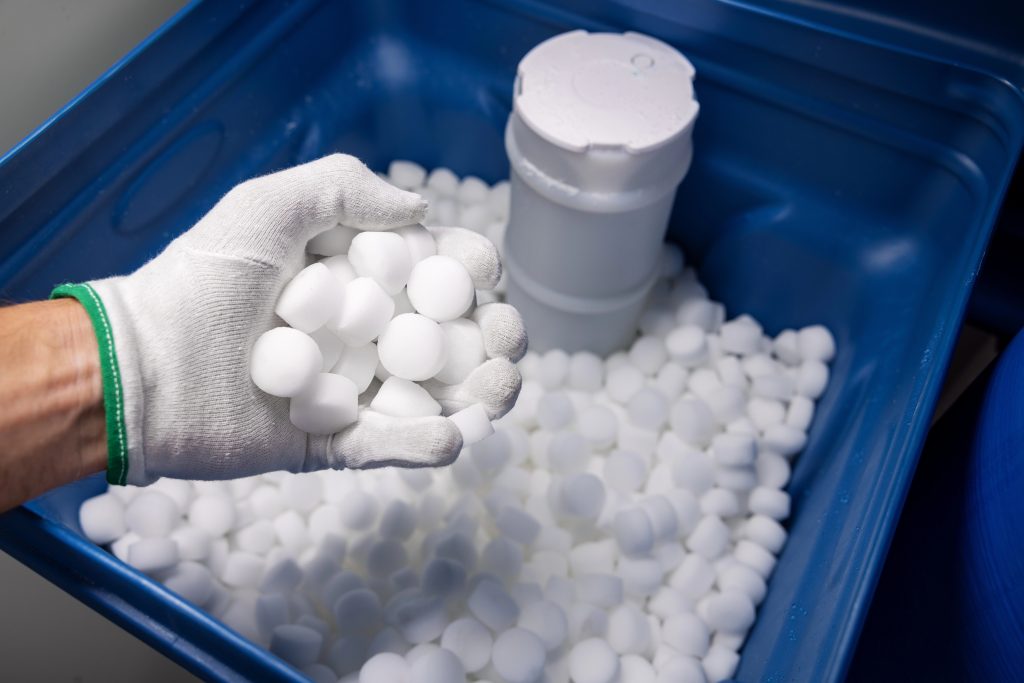
Key Takeaway A water softener rental lets you install a high-quality softening system for a monthly fee instead of a full purchase price. At EcoWater SoCal, upfront costs are limited to the first month’s rent plus a one-time installation fee, all parts and labor are covered for the life of the rental, and if you later decide to buy, we credit up to 12 months of rental payments toward the purchase price. If you have ever scrubbed white crust off a showerhead in Vista or replaced a water heater sooner than you expected, you already know what hard water does to a home. At EcoWater SoCal, we have spent years installing and servicing treatment systems out of our Vista office at 2241 La Mirada Dr, and one question comes up more than any other: is there a way to get soft water without writing a large check? A water softener rental is our answer for a lot of North San Diego County families. It removes the upfront barrier while keeping service, repairs, and expertise in local hands. What Is a Water Softener Rental? A water softener rental is a program where you pay a monthly fee to use a professionally installed softening system rather than buying the equipment outright. The unit stays under our ownership, which means we remain responsible for keeping it running properly. The system itself works the same way a purchased one does. As the U.S. Geological Survey explains in its overview of water hardness, hardness comes from dissolved calcium and magnesium. A softener uses ion exchange to pull those minerals out of the water and replace them with sodium or potassium from the brine tank. Renting changes how you pay for the equipment. It does not change the chemistry. Why Do Vista and North San Diego County Homes Need Softening? Southern California homes need softening because the region relies heavily on imported surface water that carries high mineral content. The USGS classifies water above 180 mg/L of calcium carbonate as very hard, and much of the water delivered across San Diego County sits in the hard to very hard range. What that means in practice, according to the same USGS guidance, is that heated hard water forms calcium carbonate deposits that can shorten equipment life, raise water heating costs, reduce the efficiency of electric water heaters, and narrow pipes over time. It also explains the film on your glassware and why soap never seems to rinse away cleanly. For your exact number, we recommend checking the Vista Irrigation District’s annual Consumer Confidence Report, which publishes local water quality results each summer. We also run a free in-home test, because hardness varies by neighborhood and by source blend. Quick Facts Upfront cost of a rental: first month’s rent plus a one-time installation fee What the install fee covers: removal and disposal of your old equipment, plus filling the new system with salt Service cost during the rental: $0 — we cover 100% of parts and labor Buyout credit: up to 12 months of rental payments applied toward the purchase price Equipment condition: most rentals are brand new; lower-priced reconditioned units may be available Local office: Vista, CA — serving North San Diego County and the wider Southern California region What Does a Water Softener Rental Include? An EcoWater SoCal water softener rental includes the equipment, professional installation, removal of your old system, the initial salt fill, and all ongoing service at no additional charge. The system. Most rental products are brand new. Depending on availability, a lower-priced reconditioned system may be an option. Installation. A one-time installation fee covers the work, including hauling away any old equipment you want removed and filling your new system with salt. All service and repairs. We cover 100% of service charges, parts and labor included. You will never be charged a fee for us to service rented equipment. A path to ownership. You can choose to purchase the system outright at any point, and we credit up to 12 months of rental payments toward the purchase price. Salt refills are handled separately. We deliver salt and potassium by appointment for a $29 delivery fee plus the cost of the bags, and our technicians will carry them downstairs so you do not have to. Is Renting Cheaper Than Buying? Comparing Water Softener Cost Over Time Renting costs less at the start, while buying usually costs less over a long enough ownership period. Which one wins depends on how long you plan to stay in the home and whether you want repair costs to be predictable. Upfront cost Rental: First month’s rent plus a one-time installation fee. Purchase: Full water softener price, due at time of sale or financed. Repairs and parts Rental: Fully covered by us, with no service fees. Purchase: Covered by warranty terms; out-of-warranty repairs are the owner’s responsibility. Long-term water softener cost Rental: Ongoing monthly payments continue as long as you rent. Purchase: Costs end once the system is paid off. Best suited for Rental: Households avoiding a large upfront outlay, or anyone who wants service costs fixed. Purchase: Long-term homeowners focused on the lowest lifetime cost. We walk through this comparison in more detail in our guide to renting versus buying a water softener. If the numbers point toward ownership, our water softener systems page covers the equipment options directly. What a Softener Will and Will Not Do A water softener reduces calcium and magnesium hardness. It is not a drinking water filter, and we want to be clear about that distinction because it affects what you actually need. Softening addresses scale, soap scum, spotting, and the strain hardness puts on water heaters and appliances. It does not remove PFAS, sometimes called forever chemicals. Reducing those requires a different technology, typically reverse osmosis or activated carbon, as outlined in the EPA WaterSense guide to selecting home water treatment systems. If contaminants are your concern, read our breakdown of PFAS in Southern California water and look at our
Alkaline Water Benefits vs. Remineralized Reverse Osmosis: Which Is Right for Your Home?

At EcoWater of SoCal, we get asked constantly about alkaline water benefits and whether they outweigh what remineralized reverse osmosis water offers. Both options aim to improve on plain tap or standard RO water, but they take different paths to get there. In this guide, we break down how each type of water is made, what the science actually supports, and how pH water and remineralization water affect your household’s mineral intake, taste, and overall water quality. Key Takeaway: Alkaline water benefits center on raising water’s pH above neutral, which some people find easier on the stomach and smoother tasting. Remineralized reverse osmosis water strips out contaminants first, then reintroduces calcium, magnesium, and other minerals in controlled amounts. Neither option is universally “better” — the right choice depends on your source water, your household’s mineral needs, and your taste preferences. We recommend testing your water and talking with a specialist before choosing a system. What Are the Real Alkaline Water Benefits? Alkaline water benefits are primarily tied to its higher pH level, typically between 8 and 9.5, compared to the neutral pH of 7 found in most tap water. Because pH water sits above neutral, alkaline water advocates say it may help offset dietary acidity, improve hydration comfort, and produce a smoother, less metallic taste than standard tap water. According to the U.S. Environmental Protection Agency’s secondary drinking water guidance, pH is treated as an aesthetic, non-health-based standard, with a recommended range of 6.5 to 8.5 for typical tap water — meaning alkaline water sits at or slightly above the upper edge of that range. It’s worth being direct here: the research on alkaline water’s health effects is still limited, and much of what circulates online overstates the evidence. Alkaline water is not a substitute for a balanced diet, and claims that it can “cure” acidity-related conditions go well beyond what’s currently supported by CDC guidance on drinking water and health. What alkaline water can reliably offer is a taste and mouthfeel difference that many households genuinely prefer, along with a modest mineral contribution depending on how the alkalinity is achieved (ionization, added minerals, or naturally alkaline source water). How Does Remineralized Reverse Osmosis Compare? Remineralized reverse osmosis water starts from the opposite direction: it removes nearly everything from the water first, then adds specific minerals back in. Standard reverse osmosis systems force water through a semipermeable membrane that strips out contaminants, dissolved solids, and — unfortunately — beneficial minerals like calcium and magnesium along with them. The Water Quality Association’s fact sheet on reverse osmosis confirms that RO membranes are effective at removing organics, metals, and a wide range of contaminants, but this same non-selective process also removes minerals that affect taste and mineral water pH levels. Remineralization solves that trade-off. A remineralization cartridge or filter is added as the final stage of the RO system, reintroducing calcium and magnesium in controlled amounts. This raises the water’s pH out of the flat, slightly acidic range typical of pure RO water and restores a fuller taste, without sacrificing the contaminant removal that made RO attractive in the first place. If you already run an RO system at home, we’ve put together a complete guide to reverse osmosis for Southern California homeowners that walks through how the filtration stages work. Quick Facts The EPA’s secondary (non-enforceable) pH guideline for tap water is 6.5–8.5; alkaline water typically runs 8–9.5. Reverse osmosis removes most dissolved minerals along with contaminants, which is why remineralization is often added back in as a final filtration stage. Remineralized RO water commonly targets a total dissolved solids range of roughly 50–150 ppm for balanced taste. Neither alkaline water nor remineralized RO water is regulated by the EPA as a health-based standard — both are taste and mineral-content choices. What Actually Determines Mineral Water pH Levels at Home? Mineral water pH levels in your home depend on your source water, your plumbing, and whatever treatment system sits between the two. Households on well water or older plumbing often start with more variable pH than those on treated municipal supplies. That’s one reason we always recommend a water test before choosing between alkaline water benefits and a remineralized RO setup — the “right” answer changes depending on what’s already coming out of your tap. If hardness or scale buildup is part of what’s driving your water concerns, it’s worth understanding the full picture before investing in a new system. We’ve written about renting versus buying a water softener for households weighing their options, since softening and remineralization often work together rather than replacing one another. And if contaminants like PFAS are part of your concern, our breakdown of PFAS in Southern California water covers what forever chemicals mean for local homeowners and how filtration addresses them. Water Quality Across North San Diego County We work with households throughout Vista, San Marcos, Escondido, Oceanside, and Carlsbad, and source water quality varies noticeably even between neighboring communities in San Diego County. The Vista Irrigation District’s water quality page publishes an annual Consumer Confidence Report detailing what’s actually in the water delivered to Vista and surrounding service areas, and we encourage every homeowner to review their local CCR before choosing a treatment system. Local water chemistry — including baseline pH, hardness, and total dissolved solids — directly affects whether alkaline water benefits or a remineralized RO setup will make the bigger difference in your home. Frequently Asked Questions About Alkaline Water Benefits and Remineralized RO Water Does alkaline water taste different from regular tap water? Yes, alkaline water generally tastes smoother and less metallic than standard tap water because its higher pH reduces the sharpness some people associate with acidity. We hear this taste preference from customers often, though it is subjective and some people notice little difference. The taste shift comes from the same pH change responsible for most reported alkaline water benefits. Is remineralized reverse osmosis water safe for everyday drinking? Remineralized reverse osmosis water is safe for everyday drinking
Decoding Your Water Quality Report: A Southern California Homeowner’s Guide

At EcoWater SoCal, we spend our days helping Southern California families understand what’s really flowing out of their taps, and it usually starts with the same question: what does this water quality report actually mean? Every year, water providers across the state mail out a Consumer Confidence Report packed with numbers, acronyms, and regulatory language that can feel more confusing than reassuring. Our job is to translate that report into something you can actually use to protect your household. Key Takeaway: Your annual water quality report tells you what regulators found in your local supply, but it won’t catch everything, including some PFAS and household plumbing issues. Review your report each year, test your water if you notice changes in taste, odor, or color, and talk with a water treatment professional about filtration, reverse osmosis, or a water softener if contaminants like lead, arsenic, chloramine, or high total dissolved solids show up. Quick Facts Lead: EPA action level of 15 parts per billion; there is no truly safe exposure level, and lead usually enters water from corroding household plumbing rather than the source. Arsenic: EPA maximum contaminant level of 10 parts per billion; it has no taste, smell, or color, so testing is the only way to detect it. PFAS (“forever chemicals”): EPA’s 2024 rule set an enforceable limit of 4 parts per trillion for PFOA and PFOS in drinking water. Total Dissolved Solids (TDS): EPA’s secondary guideline is 500 mg/L, an aesthetic benchmark for taste and staining, not a health-based limit. Testing frequency: Beyond your annual report, homeowners are generally encouraged to test their water yearly, or sooner if taste, smell, or appearance changes. What Is a Water Quality Report, and Why Does It Matter? A water quality report is the annual document your public water provider is required to send you summarizing what was found in your local drinking water supply over the past year. Every community water system in California must produce one under the Safe Drinking Water Act, and the results are also submitted to the State Water Resources Control Board’s Division of Drinking Water. The report lists detected contaminants, compares them against federal and state limits, and explains where your water comes from. Reading it well starts with understanding two key measurements: pH and total dissolved solids. Your water’s pH tells you whether it leans acidic or alkaline, which affects how it interacts with your pipes and fixtures over time. TDS reflects the concentration of dissolved minerals and salts, and while it isn’t a direct health threat at typical levels, high readings can point to mineral buildup, scale, or the need for further testing. How to Read the Numbers in Your Water Quality Report Every water quality report separates its findings into two categories: primary standards that protect health, and secondary standards that address taste, odor, and appearance. Primary standards, called Maximum Contaminant Levels, are legally enforceable limits set for substances like lead, arsenic, and PFAS. Secondary standards, like the 500 mg/L guideline for TDS, are aesthetic benchmarks rather than health-based rules. When you see a contaminant listed with a result close to or above its limit, that’s your cue to ask questions. A single detection below the limit usually isn’t cause for alarm, but a pattern of elevated readings, especially for lead, arsenic, or disinfection byproducts, is worth a conversation with a water treatment specialist who can look at your specific plumbing and household needs. What’s Actually in My Drinking Water? Common Southern California Contaminants Southern California tap water can carry a mix of naturally occurring minerals, treatment byproducts, and, in some homes, contaminants introduced by aging plumbing. Here are the ones we’re asked about most: Lead almost always enters water after it leaves the treatment plant, through corroding lead service lines, old solder, or brass fixtures. The EPA’s action level is 15 parts per billion, but there is no level of lead exposure considered fully safe, which is why homes built before 1986 deserve extra attention. Arsenic occurs naturally in groundwater in parts of California and is completely undetectable without a lab test since it has no taste, smell, or color. The EPA’s enforceable limit is 10 parts per billion. Chloramine, a combination of chlorine and ammonia, is used by many California utilities to disinfect water because it produces fewer byproducts than chlorine alone. It’s regulated at a maximum residual disinfectant level of 4 mg/L, and while it’s considered safe at that level, some residents notice a lingering taste or odor. PFAS, often called forever chemicals, are a growing concern across the region. In April 2024, the EPA finalized the first enforceable federal limits for PFAS in drinking water, setting a 4 parts per trillion standard for PFOA and PFOS specifically because these compounds persist in the environment and the body. Total Dissolved Solids won’t necessarily make you sick, but water above the EPA’s 500 mg/L secondary guideline often tastes mineral-heavy or salty and can accelerate scale buildup in appliances and plumbing. Do I Need Water Testing at Home Beyond My Annual Report? Yes, in many cases, because your annual water quality report reflects results at the treatment plant or in the distribution system, not necessarily what comes out of your specific tap. Water testing at home fills that gap, especially for lead and other contaminants introduced by household plumbing after water leaves the utility’s control. We generally recommend water testing at home annually, or immediately if you notice a change in taste, smell, color, or water pressure. At-home test strips can offer a basic snapshot, but they typically can’t detect PFAS, trace metals, or bacteria with any precision. A professional water test goes deeper, giving you a fuller answer to the question every homeowner eventually asks: what’s in my drinking water, really? Water Quality Across La Mirada, Vista, and the Wider Southern California Region Water quality varies block by block across Southern California because it depends on source water, watershed conditions, treatment methods, and the age of local infrastructure. In communities
Hard Water Effects in Vista and North San Diego County: What Every Homeowner Needs to Know

Key Takeaway The hard water effects experienced by homeowners in Vista, Carlsbad, Oceanside, San Marcos, and across North San Diego County go far beyond spotty dishes and chalky faucets. Elevated mineral levels in local water supplies cause measurable damage to skin, hair, household appliances, and monthly budgets. At EcoWater SoCal, we help Southern California homeowners understand exactly what is in their water and match them with the right treatment solution to protect their home and their health. At EcoWater SoCal, we have spent years testing water in homes across Vista, Carlsbad, San Marcos, Oceanside, Escondido, and the surrounding communities of North San Diego County. Time and again, we find the same story: mineral-heavy water flowing through homes, leaving its mark on skin, hair, pipes, appliances, and utility bills. The hard water effects we document every week are not minor inconveniences. They are a slow, compounding drain on household comfort and budget that most homeowners never connect back to the water itself. Understanding what hard water is, what it does, and why it is so prevalent in coastal Southern California is the first step toward protecting your home. This guide walks through everything you need to know — from the science behind mineral buildup to the real financial cost of doing nothing — so you can make a confident, informed decision about water treatment for your household. Quick Facts: Hard Water in North San Diego County San Diego County water is classified as hard to very hard, with hardness levels commonly ranging from 200–300 mg/L (approximately 12–17.5 grains per gallon) depending on the area and season. (Source: USGS Water Quality Portal, county-level data) The Vista Irrigation District draws water from multiple sources including Lake Henshaw, the Colorado River, Northern California imports, and the Carlsbad Desalination Plant — all of which carry significant dissolved mineral loads. (Source: Vista Irrigation District 2023 Consumer Confidence Report) According to a study referenced in U.S. congressional testimony, scale from hard water can reduce water heater energy efficiency by up to 24 percent, and water softeners were shown to preserve factory efficiency ratings over a 15-year lifespan. (Source: WQA/Battelle Study, cited in U.S. Senate Hearing Record) Hard water affects an estimated 85 percent of American homes. (Source: Water Quality Association) Research published in the Journal of Investigative Dermatology found a significant association between hard water exposure and increased eczema risk, with King’s College London researchers concluding that hard water can damage the skin’s natural barrier function. Water hardness above 7 GPG is classified as “hard” by the Water Quality Association. Treatment is strongly recommended above 10.5 GPG. Much of North San Diego County exceeds both thresholds. What Is Hard Water and Why Is It So Common in Coastal Southern California? Hard water contains elevated concentrations of dissolved minerals — primarily calcium and magnesium — that water picks up as it travels through geological formations. According to the United States Geological Survey (USGS), water hardness is determined by the calcium and magnesium content, and regions with sedimentary rock formations and imported surface water tend to experience the highest levels. In Vista and across North San Diego County, this is not a rare problem — it is essentially universal. The Vista Irrigation District sources drinking water from Lake Henshaw, the Colorado River, Northern California imports via the Metropolitan Water District of Southern California, and desalinated seawater from the Claude “Bud” Lewis Carlsbad Desalination Plant. Each of these supply chains carries dissolved mineral loads that result in consistently hard water at the tap. The Rainbow Municipal Water District, which serves portions of Vista, Oceanside, and Fallbrook, sources 100 percent of its water from the Metropolitan Water District’s Lake Skinner facility in Temecula — another high-mineral source. Hard water is not an anomaly here. It is the baseline. What Are the Hard Water Effects on Skin and Hair? Hard water skin and hair problems are among the most common complaints we hear from homeowners in the Vista and San Marcos areas, and the science backs up what residents experience every day. How hard water affects skin: When calcium and magnesium minerals in hard water interact with soap, they form an insoluble residue — commonly called soap scum — that does not rinse cleanly from the skin. This film disrupts the skin’s natural barrier function, known as the stratum corneum, which is responsible for keeping moisture in and irritants out. Research published in the Journal of Investigative Dermatology found a significant association between hard water exposure and eczema risk in children. Researchers at King’s College London concluded that hard water can actively damage the skin barrier, increasing susceptibility to dryness, irritation, and eczema-related conditions. For homeowners already dealing with the drying effects of Southern California’s sun and sea air, hard water compounds the problem significantly. How hard water affects hair: Minerals in hard water coat the hair shaft, preventing moisture from penetrating and leaving strands brittle, dull, and prone to breakage. Research indicates that water above 200 ppm reduces hair tensile strength, making it snap more easily. The result is hair that looks flat, feels rough, and resists styling regardless of which conditioners or treatments are applied. Switching to softened water addresses the root cause rather than masking the symptoms with temporary topical products. These are not cosmetic concerns alone. Chronically dry skin and scalp issues affect quality of life and can be persistent enough to prompt unnecessary dermatologist visits — visits that often improve once the underlying water quality issue is resolved. How Does Mineral Scale Buildup Damage Household Appliances? Mineral scale buildup — also called limescale — is the physical deposit that forms when hard water is heated or evaporates. It accumulates inside water heaters, dishwashers, washing machines, coffee makers, and throughout household plumbing. This is one of the most financially significant hard water problems homeowners face, and it compounds quietly over time. A study cited in U.S. Senate hearing testimony — produced by the Water Quality Association and the Battelle Memorial Institute — concluded that scale from hard
Water Softener Maintenance: The Complete Guide for Southern California Homeowners
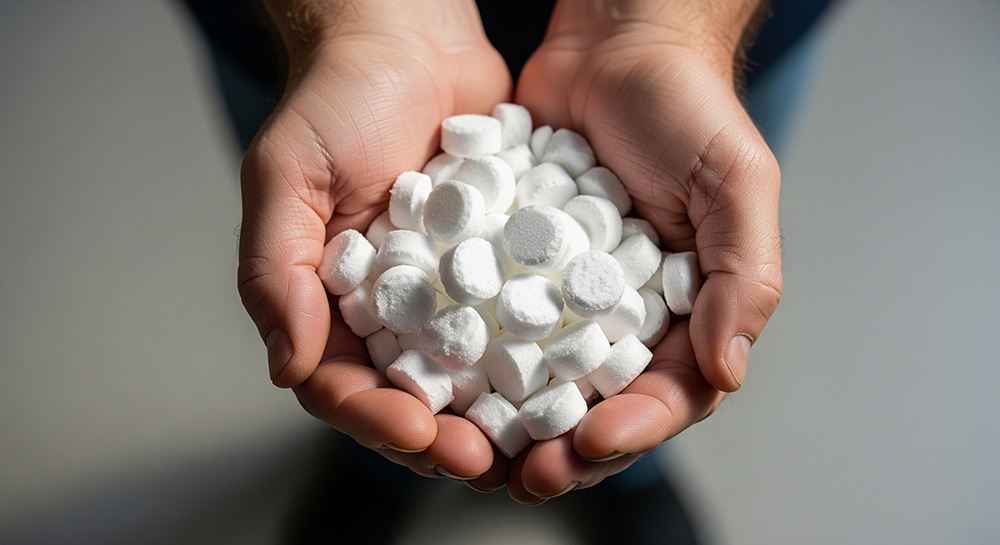
Key Takeaway Consistent water softener maintenance — checking salt levels monthly, preventing salt bridging, cleaning the brine tank annually, and scheduling a professional inspection each spring — is the single most effective way to protect your system, extend its lifespan, and keep softened water flowing through your home. In Los Angeles, Long Beach, and San Diego, where water hardness routinely exceeds 12 grains per gallon, a neglected softener doesn’t just underperform — it can quietly allow scale buildup to damage your water heater, appliances, and plumbing. At EcoWater SoCal, we work with homeowners across Southern California every day to keep their systems running at peak efficiency. If you have a water softener in your Southern California home, you already know it’s one of the hardest-working appliances you own. Los Angeles water hardness regularly ranges from 10 to 15 grains per gallon across LADWP service zones, and San Diego drinking water averages around 16 grains per gallon according to the City of San Diego’s Public Utilities Department — both solidly in the “very hard” category. That level of mineral load means your softener is removing significant amounts of calcium and magnesium from your water every single day. Without routine water softener maintenance, that work catches up with you: salt bridges form, resin efficiency drops, and the hard water problems you installed the system to solve start creeping back. This guide covers every essential maintenance task, explains the most common problems we see in SoCal homes, and tells you exactly when to call a professional. Whether you’re in Los Angeles, Long Beach, San Diego, or anywhere in between, these practices apply to your system. ● Quick Facts: Water Softener Maintenance in Southern California Los Angeles water hardness ranges from 56–220 mg/L (approximately 3–13 GPG) across LADWP service zones, per the 2023 LADWP Drinking Water Quality Report — enough to require active softener management. San Diego water averages 16 grains per gallon (approximately 276 ppm), classified as very hard by the City of San Diego Public Utilities Department’s Consumer Confidence Report. The EPA’s WaterSense home maintenance checklist specifically includes checking softener salt levels and breaking up salt bridges as a recurring homeowner task. According to the Water Quality Association (WQA), salt bridging occurs when salt pellets fuse into a solid crust above the water line in the brine tank, preventing proper brine formation and stopping regeneration. The WQA recommends high-purity sodium chloride pellets for most residential softeners — evaporated salt pellets produce less insoluble residue and reduce mushing risk compared to rock salt. Brine tank cleaning is recommended annually or every 2–3 years, depending on salt type and usage — a task most Southern California homeowners skip entirely. A water softener that is not regenerating properly due to a salt bridge or mushing delivers unsoftened hard water to your home without any visible warning sign. What Does Water Softener Maintenance Actually Involve? Water softener maintenance covers a consistent set of tasks — some monthly, some seasonal, and some annual. The good news is that most of the routine work takes less than ten minutes. Here’s what a complete maintenance routine looks like for a Southern California household. Monthly: Check Salt Levels and Inspect for Bridging Once a month, open the brine tank lid and check the salt level. The tank should be at least one-third full at all times, and the salt level should sit a few inches below the top of the tank. If it’s lower, add salt — but don’t overfill, as overfilling actually increases the risk of bridging and mushing. While you have the lid off, press down on the salt with a broom handle or long stick to check for a hard crust. If the salt has fused into a solid layer that doesn’t give way, that’s a salt bridge, and it needs to be broken up immediately. As Needed: Break Up Salt Bridges Salt bridging is one of the most common saltwater softener care issues we see in Los Angeles and San Diego homes. When a bridge forms, water can pool beneath the hardened crust while the brine tank appears full of salt — creating the illusion that the system is working fine. In reality, the softener is regenerating with plain water instead of brine, and it’s delivering hard water to your taps without any indication that something is wrong. To break up a bridge, use a long-handled tool to gently push through the crust and break it apart. Avoid aggressive hammering, which can damage the tank. Every 6–12 Months: Clean the Brine Tank Over time, impurities in salt can accumulate at the bottom of the brine tank as a thick sludge — a condition called salt mushing. Unlike bridging, mushing creates a semi-solid mass at the bottom of the tank rather than a crust at the top, and it similarly prevents proper brine formation. Cleaning the brine tank involves disconnecting it, removing remaining salt, rinsing the interior thoroughly, and inspecting the brine valve and float assembly. This is typically a once-a-year task for most SoCal households, though high-volume households or systems using lower-purity salt may need it more frequently. Annually: Schedule a Professional Check-Up A professional inspection goes beyond what a homeowner can evaluate visually. Our technicians at EcoWater SoCal assess the resin bed condition, verify regeneration cycle settings, test outgoing water hardness, check for resin fouling from iron or chloramine exposure, and confirm that the system is sized and programmed appropriately for your current household usage. Given that San Diego and Los Angeles water sources both include Colorado River water — which carries elevated mineral content year-round — annual calibration ensures your system is keeping pace with actual demand rather than running on factory defaults. How Do I Prevent Salt Bridging in My Water Softener? Preventing salt bridging starts with understanding what causes it. Bridges form when salt pellets absorb moisture and then dry out, fusing together into a hardened crust. High humidity environments, temperature fluctuations, and low-quality salt all increase the risk. According to
Water Treatment Systems for Your Southern California Home

Key Takeaway When comparing a water softener vs reverse osmosis system, the right choice depends on the water problems you’re trying to solve. A water softener addresses hard water and scale buildup throughout the home, while reverse osmosis focuses on removing drinking water contaminants and improving taste. For many Southern California homeowners, the best solution is a combination of both systems: a whole house water treatment system for hardness issues and a reverse osmosis system for cleaner drinking water. Quick Facts Water softeners remove hardness minerals such as calcium and magnesium. Reverse osmosis systems reduce many dissolved contaminants and improve drinking water quality. Southern California is known for hard water conditions in many service areas. A whole house water treatment system protects plumbing, fixtures, and appliances. Reverse osmosis systems are typically installed at the kitchen sink for drinking and cooking water. Many homeowners achieve the best results by combining both technologies. If you’re researching water softener vs reverse osmosis, you’re not alone. Many Southern California homeowners struggle with hard water, scale buildup, chlorine taste, elevated dissolved solids, and emerging contaminant concerns. At EcoWater SoCal, we’ve helped homeowners throughout Southern California identify the right treatment solutions based on their actual water conditions, not generic recommendations. Our experience serving homes across Los Angeles County, Orange County, Riverside County, San Bernardino County, San Diego County, and surrounding areas has shown that understanding the difference between these systems is the first step toward healthier, better-performing water. The reality is simple: a water softener and a reverse osmosis system solve different problems. Understanding what each system does—and doesn’t do—can help you select the best water treatment system home solution for your family. What Is the Difference Between a Water Softener and Reverse Osmosis? A water softener removes hardness minerals, while reverse osmosis removes many dissolved contaminants from drinking water. Although homeowners often compare these systems, they are not direct replacements for one another. A water softener uses ion exchange technology to remove calcium and magnesium minerals that create hard water. Hard water can cause scale buildup in pipes, water heaters, dishwashers, and other appliances. A reverse osmosis (RO) system uses a semipermeable membrane and multiple filtration stages to reduce many dissolved contaminants, improving the quality, taste, and odor of drinking water. In most cases, a water softener improves water throughout the entire home, while reverse osmosis focuses specifically on drinking and cooking water. When Do You Need a Water Softener? You need a water softener when hard water is causing scale buildup, appliance inefficiency, staining, or cleaning challenges. Hard water is common throughout Southern California and can create several noticeable issues: White scale deposits on faucets and fixtures Soap that doesn’t lather easily Spots on dishes and glassware Reduced water heater efficiency Dry skin and hair after bathing Shortened appliance lifespan Water softeners help reduce these issues by removing hardness minerals before they enter your home’s plumbing system. Research and industry experience consistently show that reducing hardness can improve appliance performance and reduce scale accumulation. For homeowners seeking a comprehensive whole house water treatment solution, a properly sized water softener is often the foundation of the system. When Do You Need Reverse Osmosis? You need reverse osmosis when your primary concern is drinking water quality, taste, odor, or dissolved contaminants. Reverse osmosis systems are designed to provide highly filtered water at a dedicated faucet, typically located at the kitchen sink. RO systems may help reduce: Total dissolved solids (TDS) Lead Nitrates Fluoride PFAS (depending on system certification) Certain dissolved chemicals Taste and odor concerns Many Southern California homeowners choose reverse osmosis because municipal water can contain elevated dissolved solids and treatment-related tastes that affect drinking water quality. For a deeper look at RO technology, visit the internal resource on reverse osmosis systems: Complete Guide to Reverse Osmosis for Southern California. Can Reverse Osmosis Replace a Water Softener? No, reverse osmosis cannot replace a whole-house water softener. While reverse osmosis effectively filters drinking water, it only treats water at the specific faucet where it is installed. Your showers, laundry, dishwasher, water heater, and plumbing system would still be exposed to hard water minerals. This means scale buildup and appliance inefficiency can continue even if your drinking water is highly filtered. Homeowners looking for whole-home protection typically require a water softener, a whole-house filtration system, or both. Can a Water Softener Replace Reverse Osmosis? No, a water softener does not remove many dissolved contaminants that reverse osmosis is designed to reduce. A common misconception is that soft water automatically equals purified water. In reality, water softeners primarily target hardness minerals. They do not function as comprehensive drinking water filtration systems and generally do not address many contaminants that homeowners may be concerned about. If drinking water quality is your priority, reverse osmosis often serves as the better solution. Why Many Southern California Homes Benefit from Both Systems For many homeowners, combining both technologies creates the most complete water treatment strategy. A water softener protects your plumbing, fixtures, and appliances from hard water damage, while reverse osmosis provides cleaner, better-tasting water for drinking and cooking. This combination addresses two of the most common water concerns throughout Southern California: Hardness minerals Drinking water contaminants and taste issues Many EcoWater SoCal customers choose a whole-home conditioning system paired with reverse osmosis because it provides protection throughout the home while delivering premium drinking water at the tap. Southern California Water Conditions and Treatment Considerations Water quality varies significantly across Southern California. Homes in Los Angeles County, Orange County, Riverside County, San Bernardino County, San Diego County, Imperial County, Palm Springs, Temecula, Irvine, and surrounding communities may experience different combinations of hardness, dissolved solids, chlorine, sediment, and contaminant concerns. Regional water conditions often include: Hard water and scale buildup Elevated TDS levels Chlorine taste and odor PFAS concerns in some areas Sediment and mineral staining Because no two water supplies are identical, professional water testing remains the most reliable way to determine which treatment solution is appropriate for your home. The
PFAS Water in Southern California: What Homeowners Need to Know About Forever Chemicals
Key Takeaway: PFAS water contamination is a growing concern across Southern California because forever chemicals can remain in drinking water for years and may pose long-term health risks. At EcoWater SoCal, we help homeowners identify potential contamination concerns and explore effective PFAS removal solutions, including advanced water filtration systems designed for safer drinking water. Across Southern California, more homeowners are asking questions about PFAS water, forever chemicals in water supplies, and the safety of their drinking water. At EcoWater SoCal, we have seen growing concern from families throughout San Diego County, Orange County, Los Angeles County, the Inland Empire, Coachella Valley, Imperial Valley County, and the High Desert who want to better understand what may be in their tap water and how to reduce exposure. PFAS, sometimes called forever chemicals, are synthetic compounds that have been used for decades in industrial manufacturing and consumer products. Because these chemicals break down very slowly, they can accumulate in groundwater systems and drinking water sources over time. Chromium-6 drinking water concerns have also increased public awareness around water contaminants that may not be visible, smellable, or easily detected without proper testing. Understanding how PFAS contamination happens, what the health concerns may be, and which treatment technologies are effective can help homeowners make more informed decisions about protecting their water quality. Quick Facts About PFAS Water PFAS stands for per- and polyfluoroalkyl substances. These chemicals are commonly called forever chemicals water contaminants because they break down very slowly. PFAS have been found in groundwater, municipal water systems, and private wells throughout the United States. Long-term exposure may be associated with potential health concerns according to the EPA and CDC. Advanced filtration technologies such as reverse osmosis and activated carbon may help reduce PFAS levels in drinking water. Water testing is the best way to determine whether PFAS contamination may be affecting your home. What Is PFAS Water? PFAS water refers to drinking water that contains measurable levels of per- and polyfluoroalkyl substances. These synthetic chemicals have been used since the 1940s in products designed to resist heat, grease, oil, and water. PFAS compounds have historically been used in: Nonstick cookware Water-resistant clothing Food packaging Industrial manufacturing Firefighting foam Stain-resistant carpets and fabrics According to the United States Environmental Protection Agency (EPA), PFAS chemicals can move through soil into groundwater and may remain in the environment for extended periods due to their resistance to degradation. Many Southern California homeowners are concerned because PFAS contamination can enter municipal water supplies, especially in regions with industrial activity, airports, military installations, or historical manufacturing operations. Why Are Forever Chemicals in Water a Concern? Forever chemicals water contamination is concerning because these compounds can persist in the body and environment over time. The EPA and the Agency for Toxic Substances and Disease Registry (ATSDR) continue to study potential health effects associated with long-term PFAS exposure. Research is ongoing, but some studies have linked elevated exposure levels to potential concerns involving: Immune system effects Increased cholesterol levels Developmental impacts Hormonal disruption Liver effects Certain cancer risks Because scientific understanding continues to evolve, many homeowners choose to proactively reduce potential exposure through professional water testing and advanced filtration systems. How Does PFAS Get Into Drinking Water? PFAS can enter drinking water through industrial discharge, landfill runoff, wastewater systems, firefighting foam usage, and environmental contamination that migrates into groundwater supplies. Southern California communities may face unique water quality pressures because groundwater basins and imported water systems can be impacted by multiple environmental sources over time. Areas with military facilities, manufacturing operations, or airports may experience elevated concern surrounding PFAS contamination. The EPA has established updated federal drinking water standards for several PFAS compounds as part of ongoing national efforts to improve water quality monitoring and public health protections. What About Chromium-6 Drinking Water Concerns? Chromium-6 drinking water contamination is another major concern for many California homeowners because hexavalent chromium has historically been detected in some groundwater supplies throughout the state. Chromium-6 is different from PFAS, but both contaminants have contributed to increased public awareness regarding emerging water quality concerns. California residents may recognize chromium-6 due to public discussions surrounding groundwater contamination and industrial pollution. The California Office of Environmental Health Hazard Assessment (OEHHA) and local water agencies continue monitoring water quality conditions throughout the state. Because PFAS and chromium-6 are often invisible contaminants, homeowners frequently rely on professional testing and treatment recommendations to better understand their water quality profile. How Can Homeowners Test for PFAS Water? The most reliable way to identify PFAS water contamination is through professional laboratory water testing. Many contaminants cannot be detected through taste, smell, or appearance alone. Water testing helps determine: Whether PFAS compounds are present Potential concentration levels Whether additional contaminants may exist Which treatment systems may be most appropriate At EcoWater SoCal, we help homeowners better understand their water quality concerns and discuss customized treatment options based on local conditions and household needs. What Are the Best PFAS Removal Solutions? PFAS removal typically involves advanced water filtration technologies designed to reduce contaminants at the point of use or throughout the home. Several treatment methods may help reduce PFAS levels: Reverse Osmosis Systems Reverse osmosis systems are commonly used for drinking water filtration because they use a semipermeable membrane to reduce many dissolved contaminants, including certain PFAS compounds. These systems are often installed at kitchen sinks or drinking water stations to provide filtered water for cooking and consumption. Activated Carbon Filtration Granular activated carbon filtration may help adsorb certain PFAS compounds from water supplies. Effectiveness can vary depending on the specific PFAS compounds present, water chemistry, and system design. Whole-Home Water Treatment Some homeowners choose whole-home filtration systems to address broader water quality concerns throughout the house. These systems may help reduce contaminants affecting showers, appliances, laundry, and general household water usage. Learn more about Southern California water contaminant concerns by visiting Southern California Water Contaminants Removal. Can Boiling Water Remove PFAS? Boiling water does not effectively remove PFAS contaminants and may actually concentrate certain
The Truth About Distilled Water: Benefits, Drawbacks, and When to Use It
At EcoWater SoCal, we help homeowners across Southern California make confident decisions about their water quality every day. When it comes to distilled water, there’s a lot of confusion about whether it’s the best option for drinking, cooking, or specialized uses. While distilled water is one of the purest forms available, it’s not always the most practical or beneficial choice for everyday use. Understanding the benefits of distilled water, its limitations, and when to use distilled water can help you choose the right solution for your home. Key Takeaway: Distilled water is extremely pure and effective at removing contaminants, but it also removes beneficial minerals and requires significant energy to produce. For most homes, reverse osmosis with remineralization provides a more balanced, efficient, and sustainable everyday drinking water solution. Quick Facts: Distilled water removes nearly all contaminants, including minerals and bacteria. It is commonly used in medical devices, laboratories, and appliances. It lacks calcium and magnesium, which contribute to taste and nutrition. Distillation requires more energy than most filtration methods. Reverse osmosis systems typically remove contaminants but may require remineralization for balance. What Is Distilled Water and How Is It Made? Distilled water is created through a process that boils water into steam and then condenses it back into liquid form, leaving behind contaminants, minerals, and impurities. This process produces highly purified water that is free from most dissolved solids and microorganisms. Because of this level of purification, distilled water is often used in environments where contamination must be minimized, such as medical equipment, laboratory testing, and certain industrial applications. According to research referenced by WebMD’s overview of distilled water, the distillation process is highly effective at removing harmful substances but also strips away beneficial minerals. What Are the Benefits of Distilled Water? The primary benefits of distilled water center around its purity. It removes contaminants such as bacteria, heavy metals, and many chemical compounds that may be present in untreated water. High purity level: Nearly all impurities are removed during distillation Safe for sensitive uses: Ideal for CPAP machines, humidifiers, and medical devices Consistent composition: No variation in mineral content This level of consistency makes distilled water reliable in controlled environments where even small contaminants could interfere with results or equipment performance. What Are the Drawbacks of Distilled Water? The biggest concern with distilled water pros and cons is that while it removes harmful substances, it also removes beneficial minerals like calcium and magnesium. Flat taste: The absence of minerals results in a less appealing flavor No mineral content: Does not contribute to daily mineral intake Energy-intensive process: Requires significant heat to produce Scientific discussions, including those summarized by this comparison of distilled and ultrapure water, highlight how distillation prioritizes purity over balance, which is why it’s not always recommended as a sole drinking source. When Should You Use Distilled Water? Distilled water is best used in specific situations where purity is more important than mineral content. Medical devices like CPAP machines Steam irons and humidifiers to prevent mineral buildup Laboratory or scientific applications Automotive cooling systems and batteries For everyday hydration, however, most households benefit from water that retains or reintroduces essential minerals. Is Reverse Osmosis a Better Everyday Option? Reverse osmosis is often a more practical solution for daily drinking water because it removes contaminants while allowing for controlled mineral balance. Standard reverse osmosis systems push water through a semi-permeable membrane that removes many impurities, including lead, chlorine, and dissolved solids. However, unlike distilled water, many modern systems include a remineralization stage to reintroduce beneficial minerals for taste and health balance. If you’re evaluating water treatment options, exploring solutions like Southern California water quality solutions and eco-friendly water treatment systems can help you determine what works best for your home. Environmental Impact: Distilled Water vs. Reverse Osmosis Distillation typically uses more energy and can result in higher water waste compared to modern filtration systems. Boiling water requires significant energy input, making distillation less efficient for large-scale or everyday household use. Reverse osmosis systems, while they do produce some wastewater, are generally more efficient and continue to improve with newer technology. In regions like Southern California—where water conservation is critical—choosing a more efficient system can have a meaningful environmental impact. What Should Southern California Homeowners Consider? Water conditions vary widely across Southern California, from Los Angeles and Orange County to San Diego, Riverside, and San Bernardino counties. Many homes deal with hard water, imported water sources, and varying levels of dissolved solids. Local Consumer Confidence Reports (CCRs) and regional water data often show elevated mineral content, which is why completely removing all minerals—like distillation does—may not always be the best long-term approach for drinking water. Instead, many homeowners choose systems that balance purification with mineral retention or reintroduction to match local water conditions. Frequently Asked Questions About Distilled Water Is distilled water safe to drink every day? Distilled water is safe to drink, but it lacks essential minerals, so it may not be the best long-term choice as your only water source. Does distilled water remove all contaminants? Distilled water removes most contaminants, including minerals and many impurities, but some volatile compounds may still carry over during the process. What is the difference between distilled water and reverse osmosis water? Distilled water is created through boiling and condensation, while reverse osmosis uses a membrane to filter contaminants and may include remineralization for better taste and balance. When should I use distilled water? Distilled water is best used for medical devices, appliances, and laboratory applications where mineral-free water is necessary. Further Reading & References WebMD: Distilled Water Overview Distilled vs. Ultrapure Water Comparison Explore Better Water Solutions for Your Home At EcoWater SoCal, we work with homeowners throughout Southern California to find the right balance between purity, taste, and sustainability. Whether you’re considering distilled water or exploring more efficient options like reverse osmosis, we’re here to guide you with solutions tailored to your home’s water conditions. If you’re ready to improve your water quality and make a more
Stop the Rotten Egg Smell in Water: Causes, Testing, and Reliable Fixes
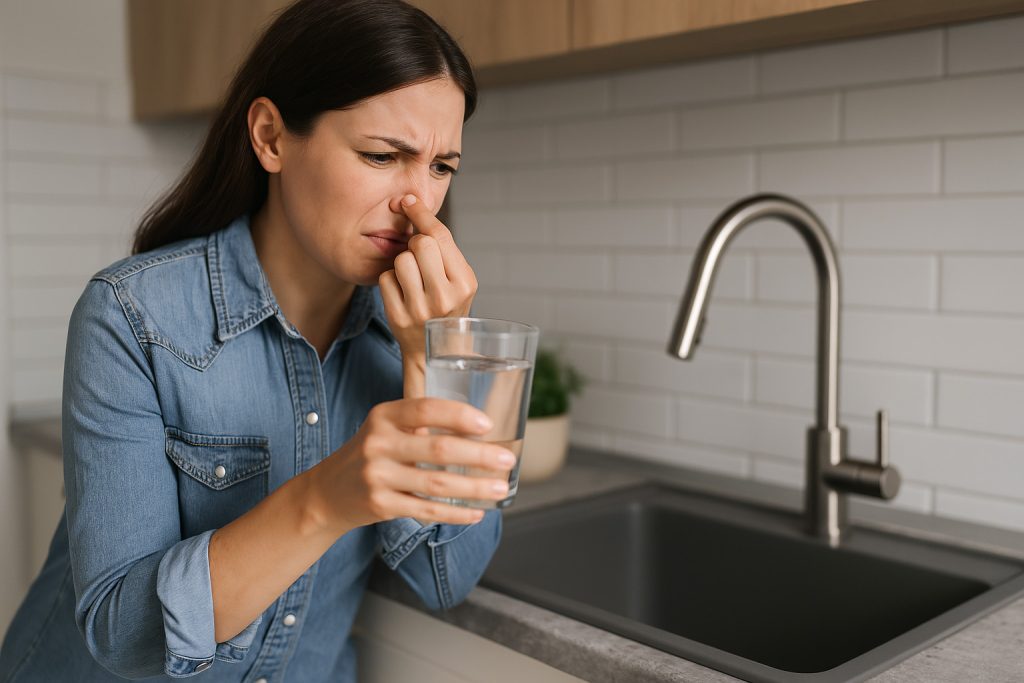
Key Takeaway: Rotten egg smell water is most often caused by hydrogen sulfide gas formed through bacterial activity or chemical reactions in wells, plumbing, or water heaters. The only reliable way to fix the problem is to test your water, identify the exact source, and apply the correct combination of oxidation and filtration. At EcoWater of Southern California, we design customized systems based on real water data to restore clean, fresh-smelling water throughout your home. At EcoWater of Southern California, we regularly help homeowners solve one of the most frustrating water issues: rotten egg smell water. That sulfur-like odor can appear suddenly, linger in your home, and make everyday tasks like showering, cooking, or washing dishes unpleasant. While the smell is often alarming, it usually points to a correctable issue within your water system, not necessarily a dangerous one. The odor most commonly comes from hydrogen sulfide water, a gas produced when sulfur compounds interact with bacteria or certain metals in low-oxygen environments. This can happen in well systems, plumbing lines, or even inside your water heater. Because Southern California homes rely on a mix of municipal supplies and groundwater sources, the cause can vary widely from one property to another. The key to solving sulfur smell tap water is not guessing. It is testing. Once we identify whether the issue originates from your source water, plumbing system, or heater, we can design a targeted solution that restores water quality across your home. With the right approach, you can eliminate odor and regain confidence in every tap. Quick Facts: Primary cause: Hydrogen sulfide gas formed by bacteria or chemical reactions Most common sources: Wells, plumbing systems, or water heaters Smell strongest in hot water: Often linked to water heater reactions Health impact: Usually a nuisance at household levels, but testing is essential Best solution: Oxidation combined with filtration, based on water test results What Causes Rotten Egg Smell Water in Homes? Rotten egg smell water is typically caused by hydrogen sulfide gas forming in your water supply. This gas develops when sulfate-reducing bacteria break down sulfur compounds in low-oxygen environments such as wells, plumbing lines, or stagnant sections of pipes. According to the EPA guidance on hydrogen sulfide in water, this gas can create strong odors even at low concentrations, though it is usually considered a nuisance rather than a primary health concern at typical residential levels. In Southern California, this issue can appear in both well water systems and municipal supplies depending on water chemistry, infrastructure, and storage conditions. Homes with older plumbing or areas with variable groundwater conditions may be more likely to experience sulfur-related odors. Why Does My Water Smell Like Sulfur Only in Hot Water? If your water smells like sulfur only when hot, the most common cause is a reaction inside your water heater. A magnesium anode rod can interact with sulfate in the water, producing hydrogen sulfide gas and creating that distinct odor. In these cases, replacing the anode rod, flushing the tank, or disinfecting the system may reduce odor. However, testing is still essential to confirm whether the issue is isolated to the heater or part of a broader water chemistry problem. Is Sulfur Smell Tap Water Safe? Sulfur smell tap water is usually not harmful at typical household levels, but it should never be ignored without testing. The odor itself is often a nuisance, but it can indicate underlying conditions that may affect water quality or system performance. Hydrogen sulfide can also occur alongside iron, manganese, or low pH levels, all of which influence treatment decisions. Additionally, some contaminants, such as PFAS, have no taste or odor, reinforcing the importance of proper water testing. How Do You Diagnose Where the Odor Starts? The fastest way to diagnose rotten egg smell water is to determine whether the odor appears in hot water, cold water, or both. This helps identify whether the issue comes from the heater, plumbing, or the water source itself. Hot water only: Likely a water heater issue Hot and cold water: Likely source water or plumbing system Single fixture: Localized buildup or plumbing problem Whole home: Source water contamination or system-wide issue A simple glass test can also help. Fill one glass with cold water and one with hot, then compare odor intensity immediately and after sitting. Hydrogen sulfide may dissipate as gas escapes, helping confirm its presence. What Treatment Options Actually Work? The most effective way to treat hydrogen sulfide water is through oxidation followed by filtration. These systems convert dissolved gas into solid particles that can be removed, eliminating odor at its source. Air injection systems: Introduce oxygen to convert hydrogen sulfide into filterable particles Catalytic carbon filters: Remove oxidized sulfur and improve taste Manganese dioxide media: Treat sulfur along with iron and manganese Chemical oxidation: Uses chlorine or peroxide for higher concentrations Reverse osmosis systems can improve taste and reduce certain dissolved compounds, but they are not designed to remove hydrogen sulfide gas without pre-treatment. Similarly, water softeners address hardness minerals, not sulfur odors. At EcoWater of Southern California, we design systems that combine these technologies based on actual test data, ensuring long-term performance rather than temporary fixes. How Do You Prevent the Smell from Coming Back? Preventing sulfur smell tap water from returning requires ongoing system maintenance and proper monitoring. Once the correct treatment system is installed, regular upkeep ensures consistent performance. Routine backwashing of filtration media Scheduled media replacement Periodic system sanitization Monitoring system performance and flow rates For homeowners in Southern California, seasonal changes, water usage patterns, and infrastructure conditions can all influence water chemistry. Staying proactive with maintenance helps prevent odor recurrence and keeps your system running efficiently. Serving Southern California Homes with Proven Water Solutions We proudly serve homeowners throughout Southern California, including Los Angeles County, Orange County, Riverside County, San Bernardino County, and San Diego County. Each region has unique water conditions, from groundwater variability to municipal treatment differences, which is why localized testing and system design are critical. Our
Does San Diego Have Hard Water? Local Water Quality Report & Treatment Solutions
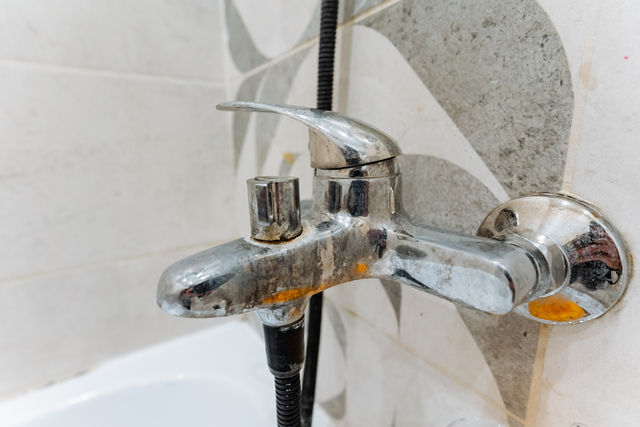
Key Takeaway San Diego has very hard water. The City’s own 2024 Annual Drinking Water Quality Report shows total hardness averaging 12.6 to 13.4 grains per gallon across its three treatment plants — well above the threshold that water quality professionals consider hard. That level of mineral concentration causes real, measurable damage to water heaters, plumbing, appliances, skin, and hair over time. This guide explains what’s in San Diego’s water, why it’s so hard, what it costs homeowners who leave it untreated, and how a water softener can protect your home and budget. Whether you’re in Chula Vista, Escondido, El Cajon, or anywhere across San Diego County, this is information every homeowner in the area needs. San Diego’s Hard Water Problem Is Real — And Your Home Is Paying for It If you’ve noticed white, chalky buildup around your faucets, spotted dishes that never look clean out of the dishwasher, or watched your water heater lose efficiency year after year, you’re not imagining things. San Diego has some of the hardest municipal water in California — and it affects virtually every home in the county. At EcoWater of Southern California, we’ve been installing water treatment systems throughout the San Diego area since 2006, and hard water is by far the most common concern our team hears from homeowners at the door. So, does San Diego have hard water? The short answer is yes — significantly so. San Diego’s tap water hardness is confirmed in the City’s own published data, and understanding what that means for your household is the first step toward protecting your plumbing, your appliances, and your quality of life. San Diego draws most of its water supply from the Colorado River and the State Water Project via the San Diego County Water Authority. As the City of San Diego’s 2024 Annual Drinking Water Quality Report documents, that imported water picks up significant concentrations of calcium and magnesium as it travels through mineral-rich geology — and those dissolved minerals don’t disappear once the water is treated. They come straight into your home, where they leave their mark on everything they touch. What San Diego’s Official Water Data Actually Says About Hardness Levels How hard is San Diego’s water, exactly? San Diego’s water is classified as very hard based on the City’s own measurements. According to the 2024 Annual Drinking Water Quality Report published by the City of San Diego Public Utilities Department, total hardness across the three municipal treatment plants — Alvarado, Miramar, and Otay — averaged between 216 and 230 parts per million (ppm), which converts to roughly 12.6 to 13.4 grains per gallon (gpg). To put that in perspective, water quality professionals use the following general scale: Soft: Less than 1 gpg (less than 17.1 ppm) Slightly hard: 1–3.5 gpg Moderately hard: 3.5–7 gpg Hard: 7–10.5 gpg Very hard: Above 10.5 gpg San Diego consistently lands in that very hard category, with readings often pushing toward the upper range of 13+ gpg. The City’s report also notes that total hardness can range as high as 245 ppm at the Miramar plant and 248 ppm at the Otay plant depending on the time of year and the ratio of Colorado River water to State Water Project water in the blend. That seasonal variation matters — hardness levels aren’t static, and they can spike during periods of heavier Colorado River reliance. Why is San Diego’s water so hard? The hardness in San Diego’s tap water comes primarily from its imported water sources. The Colorado River, which supplies a significant portion of the region’s water, flows through limestone and other calcium- and magnesium-rich geological formations for hundreds of miles before it’s captured and distributed. The U.S. Geological Survey’s national water hardness data consistently shows the Colorado River basin among the hardest water sources in the country. When that water reaches San Diego’s treatment plants at Alvarado, Miramar, and Otay, the treatment process removes bacteria, disinfection byproducts, and other regulated contaminants — but it does not remove calcium and magnesium. Those minerals aren’t a health hazard, so they’re not regulated under federal or state drinking water standards. They pass straight through treatment and into your pipes at the same concentrations they arrived. Is hard water safe to drink? Yes — hard water is safe to drink and poses no known health risk. Both the U.S. Environmental Protection Agency and California’s State Water Resources Control Board consider hardness an aesthetic parameter, not a health concern. San Diego’s 2024 drinking water report confirms the city’s water met all state and federal health standards. The calcium and magnesium that make water hard are naturally occurring minerals, and in fact, the Water Quality Association (WQA) notes that hard water may contribute trace amounts of these minerals to your diet. The problem with San Diego’s hard water isn’t what it does to your body — it’s what it does to your home. What San Diego Hard Water Does to Your Home and Appliances What are the visible signs of hard water damage? The most common signs of hard water in a San Diego home are white or yellowish scale buildup on faucets and showerheads, spots on glassware and dishes after washing, and soap that won’t lather properly. You may also notice your skin feeling dry or itchy after showering, laundry that feels stiff, or a filmy residue on shower doors and tile grout. These aren’t cosmetic inconveniences — they’re early warning signs of a mineral accumulation problem that gets worse over time. As the Water Quality Association explains, dissolved calcium and magnesium salts are primarily responsible for scale buildup in pipes and water heaters, and for problems in laundry, kitchen, and bath. At San Diego’s hardness levels — 12 to 13+ grains per gallon — that scale deposits continuously and relentlessly, season after season. How does hard water affect water heaters and appliances? Hard water significantly reduces the efficiency and lifespan of water-using appliances. Research studies commissioned by the Water Quality Research Foundation examined